Retaining Walls in Daleville, Alabama
Inquire
Contact Us
We will get back to you as soon as possible.
Please try again later.
Our Services
- Service 1
- Service 2
- Service 3
- Service 4
- Service 5
- Service 6
- Service 7
- Service 8
- Service 9
Engineered Retaining Walls Controlling Soil Pressure Elevation And Long-Term Stability
Retaining walls are not landscape accessories; they are structural systems designed to manage soil pressure, water movement, and elevation changes that would otherwise compromise property stability. At Custom Concrete, we approach retaining wall construction with the same discipline applied to load-bearing concrete structures. Wall height, soil type, hydrostatic pressure, drainage strategy, and reinforcement placement determine whether a wall performs for decades or fails prematurely. 35 years of field experience have reinforced one principle: retaining walls succeed only when engineered for real forces, not visual appeal alone.
We serve Daleville, Alabama, where rolling terrain, red clay soils, and seasonal rainfall create consistent challenges for erosion control and grade management. Nearby communities including Enterprise, Ozark, Midland City, and Fort Novosel experience similar conditions that demand retaining walls capable of handling moisture buildup and soil movement. In this region, walls must account for water migration behind the structure, footing depth below unstable soils, and long-term pressure changes caused by saturation and drying cycles. Geographic awareness directly influences wall design, reinforcement spacing, and drainage detailing.
Every retaining wall is a balance between restraint and release. Soil must be held in place while water is allowed to escape. Our team focuses on excavation accuracy, proper base preparation, reinforced concrete placement, and integrated drainage systems. These elements work together to prevent bowing, cracking, and collapse. The result is not simply a wall that stands upright, but a structural solution that protects landscapes, foundations, and usable space over time. Retaining walls built correctly become quiet, reliable infrastructure rather than ongoing maintenance concerns.
Our Retaining Wall Services
Concrete Retaining Wall Construction
Concrete retaining walls provide superior strength and longevity for soil retention applications. Proper excavation, reinforced footings, and controlled pours ensure resistance to lateral pressure. These walls are engineered to perform reliably under moisture exposure, elevation changes, and long-term soil movement.
Structural Reinforcement Systems
Reinforcement systems strengthen retaining walls against bending and shear forces. Steel placement, spacing, and anchoring are calculated to support wall height and soil load. Proper reinforcement prevents cracking, bowing, and structural failure over extended service periods.
Drainage Integration and Water Control
Drainage integration is critical for retaining wall performance. Systems include gravel backfill, drainage pipes, and weep outlets. These components relieve hydrostatic pressure, reduce water accumulation, and protect wall integrity under heavy rainfall and seasonal moisture fluctuations.
Terraced Wall Systems
Terraced retaining walls manage significant elevation changes through stepped construction. Each level reduces soil pressure and improves drainage control. This approach increases stability while creating functional, accessible spaces across sloped terrain without overloading a single structural element.
Repair and Structural Reinforcement
Existing retaining walls showing movement or cracking may require structural reinforcement. Repairs address drainage failures, footing issues, or reinforcement deficiencies. Corrective work restores stability and extends service life without requiring full wall replacement when conditions allow.
Functional Landscape Retention
Functional landscape retention combines structural control with site usability. Retaining walls define boundaries, protect slopes, and support flat surfaces. Properly engineered walls enhance property function while maintaining safety, durability, and predictable long-term performance under environmental stress.
Benefits of Professional Retaining Wall Construction
Effective Soil Stabilization
Retaining walls control lateral soil movement on sloped or uneven terrain. Proper engineering prevents erosion, slope failure, and ground displacement. Stabilized soil protects surrounding structures, landscaping, and surfaces from gradual shifting caused by gravity, moisture changes, and seasonal environmental pressures over time.
Improved Drainage Management
Professionally built retaining walls integrate drainage systems that relieve hydrostatic pressure. Weep holes, gravel backfill, and proper grading allow water to escape safely. This reduces stress on wall structures and prevents cracking, bulging, or collapse caused by trapped moisture accumulation.
Protection of Adjacent Structures
Retaining walls safeguard nearby foundations, driveways, and hardscapes by controlling soil pressure. Without proper restraint, soil movement can undermine structural elements. Engineered walls maintain grade stability, reducing the risk of settlement, cracking, and long-term damage to adjacent construction.
Increased Usable Space
By managing elevation changes, retaining walls convert sloped land into functional areas. Terraced sections create usable yards, access paths, or structural platforms. This maximizes property utility while maintaining safety and stability across varied terrain and changing elevation profiles.
Long-Term Structural Durability
Concrete retaining walls built with reinforcement and proper footings deliver long service life. Resistance to weather exposure, soil pressure, and moisture intrusion ensures consistent performance. Durable construction reduces maintenance needs and extends functional lifespan under demanding environmental conditions.
Controlled Aesthetic Integration
Retaining walls can be designed to blend with surrounding structures and landscapes. Forming options, finishes, and layout choices allow structural necessity to align with visual goals, maintaining cohesion without sacrificing engineering integrity or performance requirements.
why choose us?
Competitive Pricing
We offer honest, transparent pricing that delivers top-quality concrete work without stretching your budget.
Fast Turnaround
Our efficient team completes projects on schedule, minimizing downtime while maintaining exceptional results.
Quality of Services
Every pour is handled with precision and premium materials to ensure long-lasting, durable concrete.
Customer Satisfaction
We prioritize clear communication and dependable service to ensure every client is 100% satisfied with the final outcome.
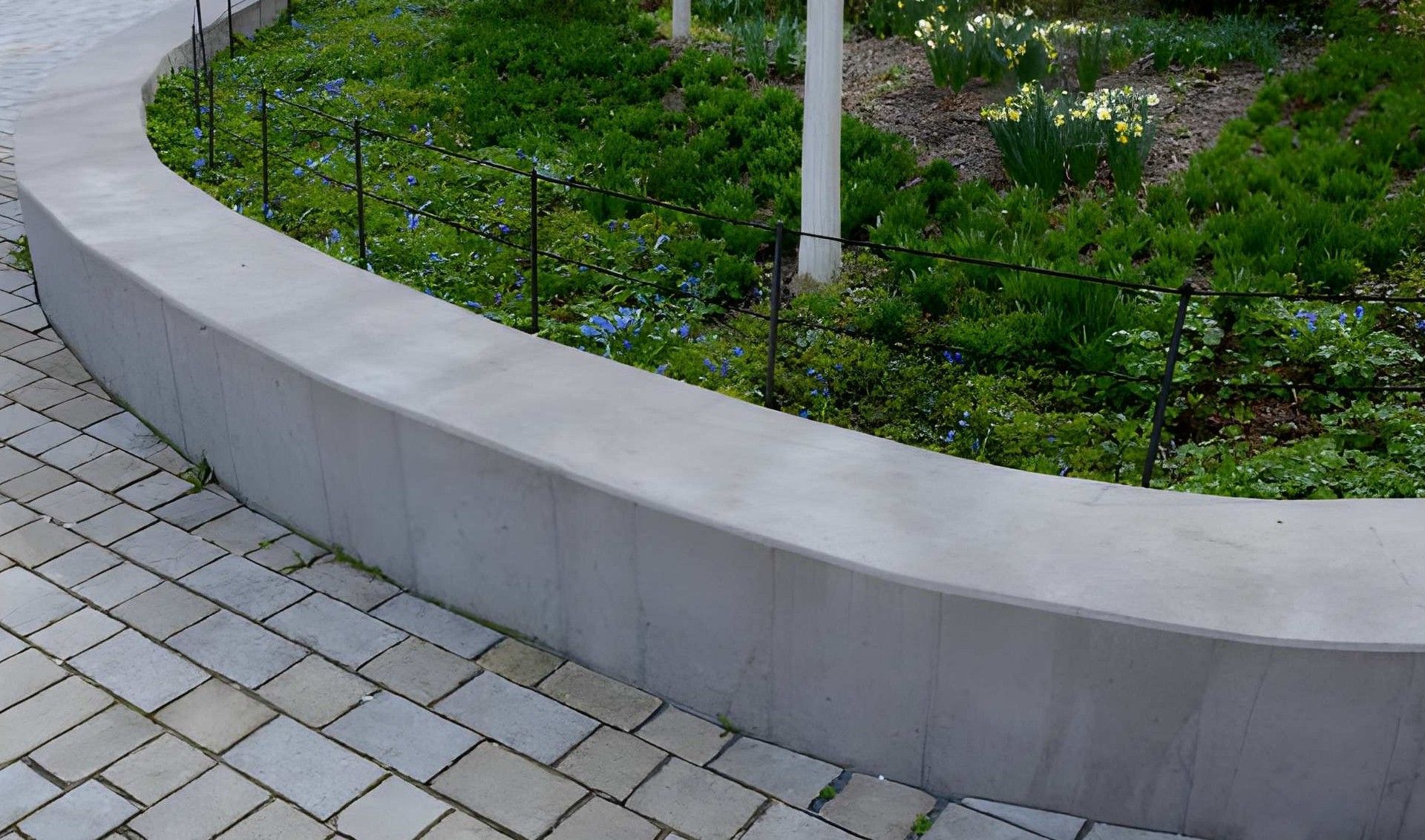
Structural Wall Systems Built To Hold Ground Securely Over Time
Retaining walls exist where land pushes back, where elevation, moisture, and gravity converge. In Daleville, Alabama, those forces are constant and unforgiving, shaped by soil composition and seasonal rainfall. Our work reflects the understanding that retaining walls must function long after construction ends. At Custom Concrete, decades of experience inform how walls are designed, reinforced, and drained to ensure stability rather than temporary restraint. Every wall is treated as a structural system, not a decorative boundary.
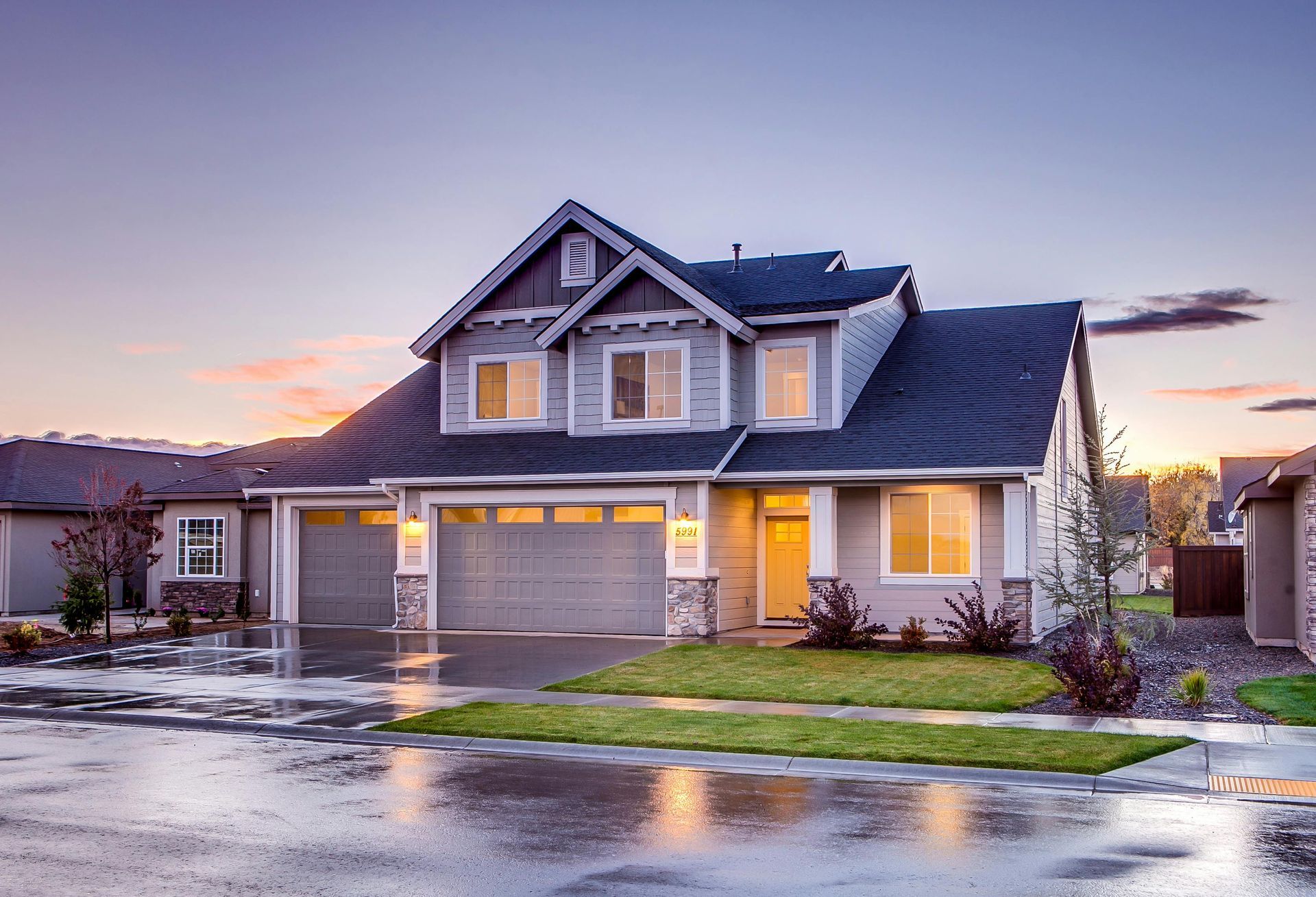
Attention to excavation depth, reinforcement placement, and water management defines long-term success. When these elements are executed correctly, retaining walls quietly protect landscapes, structures, and usable space without ongoing intervention. Through disciplined construction practices and region-aware planning, our team continues to deliver retaining walls that hold their line against time, pressure, and environment, providing dependable performance and lasting value across changing conditions.
Frequently Asked Questions
What causes retaining walls to fail over time?
Most retaining wall failures stem from poor drainage, shallow footings, or inadequate reinforcement. Trapped water increases hydrostatic pressure, causing bowing, cracking, or collapse. Proper engineering, correct footing depth, and integrated drainage systems are essential to control pressure and extend structural lifespan safely over time consistently.
How tall can a concrete retaining wall be?
Retaining wall height depends on soil type, slope conditions, load requirements, and reinforcement design. Taller walls require deeper footings, stronger steel reinforcement, and engineered drainage. Structural calculations determine safe height limits, preventing excessive lateral pressure buildup and ensuring long-term stability under environmental stress conditions consistently.
Why is drainage so important behind retaining walls?
Drainage is critical because water buildup creates hydrostatic pressure behind retaining walls. Without proper outlets, pressure increases stress on the structure, leading to cracking or failure. Drainage systems allow controlled water release, preserving wall integrity, stability, and long-term structural performance under changing conditions over time.
Can retaining walls help prevent erosion?
Retaining walls help prevent erosion by stabilizing soil on sloped terrain. They limit runoff movement, reduce soil displacement, and control water flow. By holding earth in place, walls protect landscapes, foundations, and surrounding structures from gradual land loss caused by rainfall and surface drainage patterns.
Do retaining walls require maintenance?
Concrete retaining walls require minimal maintenance when constructed correctly. Periodic inspection of drainage outlets, wall alignment, and surface condition helps identify issues early. Addressing minor concerns promptly prevents larger structural problems, reduces repair costs, and supports reliable long-term performance over time without unexpected failures occurring.
How does Custom Concrete design retaining walls in Daleville, Alabama?
Custom Concrete designs retaining walls in Daleville, Alabama by accounting for local soil composition, rainfall patterns, and elevation changes. Drainage systems, reinforcement placement, and footing depth are adapted to regional conditions, ensuring walls resist pressure, manage moisture, and deliver dependable long-term structural performance consistently safely.
Can existing retaining walls be reinforced instead of replaced?
Existing retaining walls can often be reinforced instead of replaced. Solutions may include drainage improvements, additional reinforcement, or structural stabilization. A professional evaluation determines wall condition, load capacity, and failure risks, guiding whether reinforcement will restore stability or full replacement is required for long-term safety.
Why choose experienced professionals in Daleville, Alabama for retaining walls?
Experienced professionals understand how soil, water, and gravity interact locally. Custom Concrete applies decades of hands-on knowledge in Daleville, Alabama to design retaining walls that handle regional conditions, reduce failure risks, and deliver consistent structural performance under long-term environmental and loading stresses without premature deterioration.